Classical Orchestration for Pop and Film: The Complete Guide
How to transform a pop or rap track, or a film soundtrack, using the power and emotion of orchestral instruments.
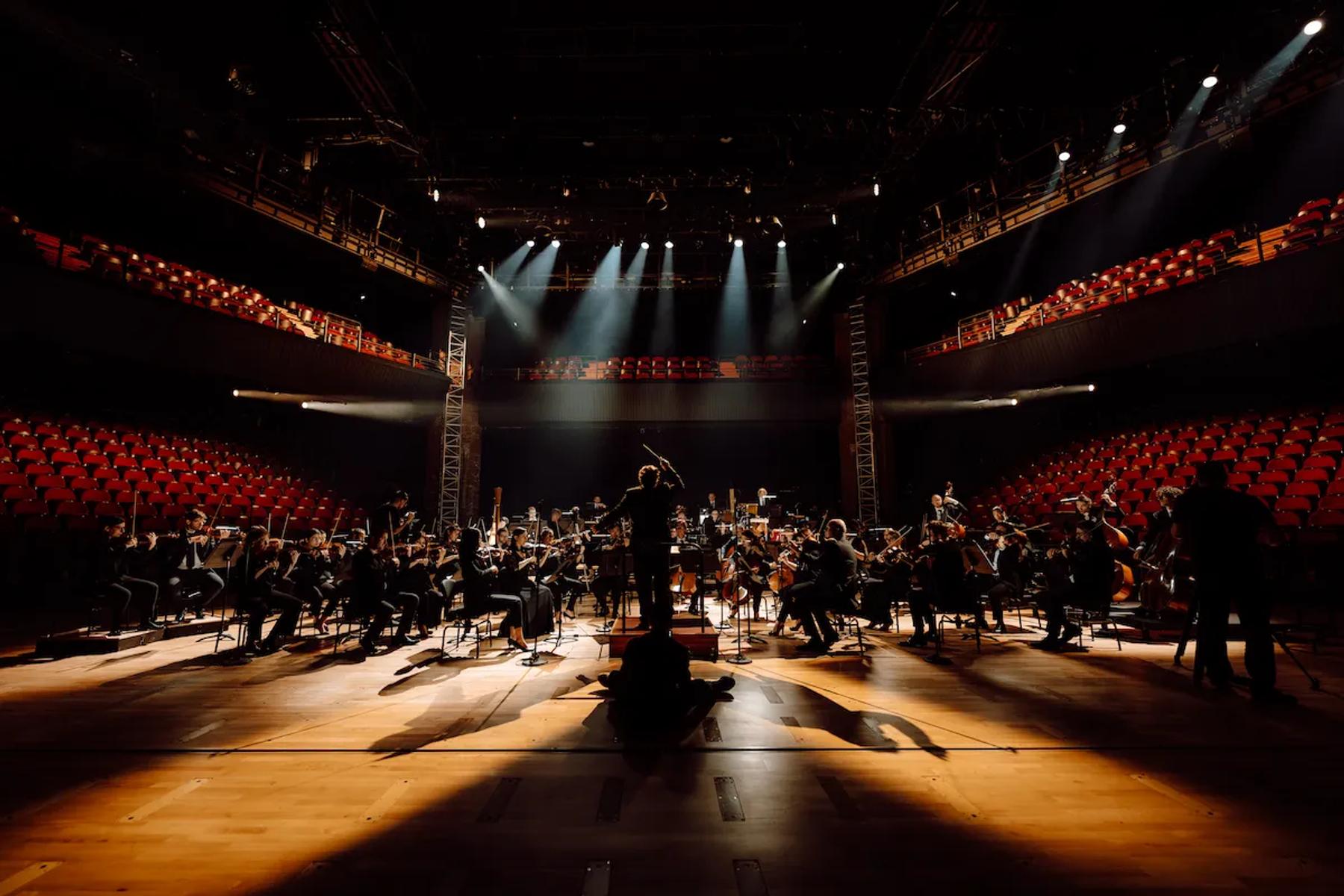
The track has been playing on a loop through the speakers for three days. The topline works, the drums hit hard, the production is clean. And yet.
Something’s missing. A sense of tension. A presence. A certain spark that no synth can quite capture. So we try a few plugins, we spend hours searching for the right sample. But the track just won’t take off.
Perhaps the problem isn’t with the composition or the mix, but with the very essence of the sound. It is precisely orchestral instruments that offer this possibility: bringing movement where everything seems frozen, creating depth without weighing down the arrangement, revealing an emotion that already existed but was still searching for its form.
// Orchestration for contemporary music
This first article explores the fundamentals of contemporary orchestration: the difference between arrangement and orchestration, the role of each family of instruments, the reasons for its resurgence in modern productions, and the key stages of working with a specialist studio.
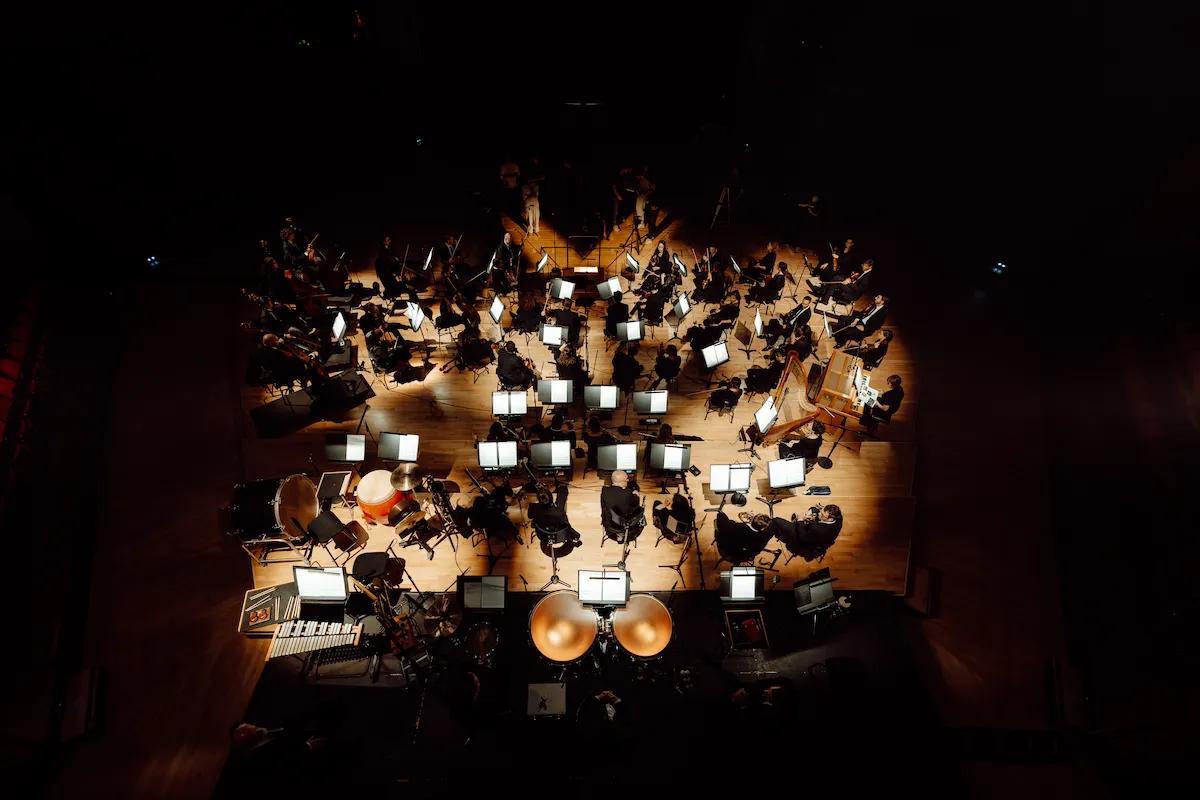
Orchestration, arrangement: what's the difference?
Both two terms are often used interchangeably in studio parlance. Yet they correspond to two complementary aspects of musical creation: arrangement modifies or transforms the piece; orchestration gives it a new instrumental palette and expressive depth. In contemporary productions, these two approaches are in constant dialogue, to the point where they often become indistinguishable.
The Arrangement
Transform an existing musical element (harmonic framework, melody, etc.) by adding depth, movement and coherence: textures, counter-melodies, dynamics, pauses…
L'Orchestration
Traduit une intention musicale dans la langue des instruments en attribuant chaque ligne aux timbres qui sauront lui donner sa pleine expression : des cordes tempétueuses ici, des bois délicats là, des cuivres puissants qui s'équilibrent harmonieusement.
In practice, these two disciplines are no longer separate. Just like an arranger, an orchestrator composes: they invent melodies, create a secondary motif, develop a new dynamic or devise a musical movement absent from the original demo to realise its full potential.
This is why the two concepts are often grouped together under the term ‘arrangement’. The role of the arranger-orchestrator consists precisely in navigating between these two dimensions: shaping the musical structure and, through the timbres of the chosen instruments, revealing the unique identity of each project.
Why is the orchestra making such a strong comeback in today’s music?
A number of developments account for this new prominence given to orchestral instruments.
Rediscovering a vibrant soundscape
After years of virtual instruments, sound libraries and entirely digital workflows, a new focus is emerging: that of materiality, movement and interpretation.
Acoustic instruments offer nuances that are difficult to programme: a slightly different attack on each note, a breath, a natural tension in the bow or the musician’s breath. These details create an emotional depth that gives the piece a unique presence.

Where classical heritage meets contemporary aesthetics
The orchestra is no longer confined solely to the classical repertoire or major film productions. Today, it engages with pop, rap, electronic music and all other cultural movements, from the most underground to the most mainstream.
This convergence of orchestral composition and contemporary styles opens up new creative horizons: genres are blending, and this symbiosis sometimes gives rise to entirely new musical genres waiting to be discovered.
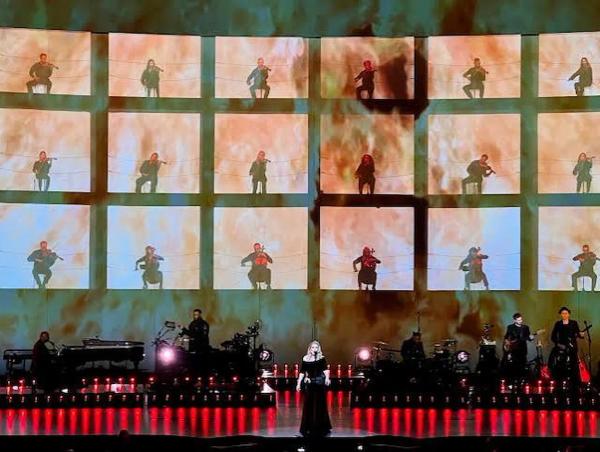
A new form of artistic signature
In a landscape where many tracks share similar tools, sounds and production methods, the choice of a real instrument becomes a marker of identity.
A string quartet, a brass section or a few carefully arranged acoustic instruments lend a distinctive sound that is difficult to replicate and help to forge a genuine artistic signature.
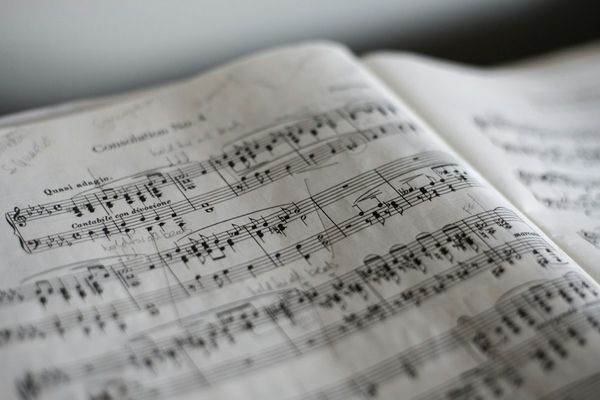
An evolution in writing for the screen
In independent cinema, television series and contemporary audiovisual projects, the approach to orchestration is also evolving. Creators are seeking emotional authenticity rather than grand displays: smaller ensembles, intimate textures and arrangements that serve the narrative.
Orchestration thus becomes a narrative language, capable of evoking an emotion, a memory or a sense of tension with great economy of means.
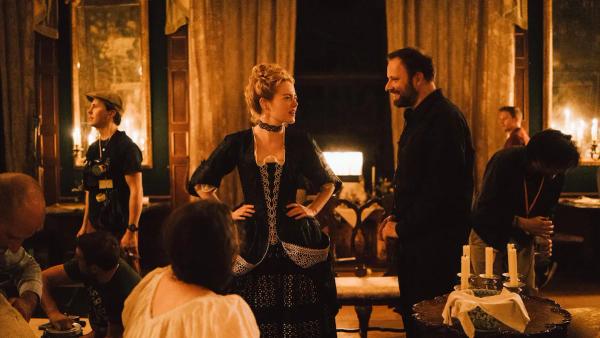
L’interprétation humaine comme nouvelle valeur artistique
À l’heure où les outils de création automatisés occupent une place croissante, l’interprétation humaine retrouve une valeur particulière.
Le geste d’un musicien, les variations naturelles d’un archet, le souffle d’un instrument à vent ou l’interaction entre plusieurs interprètes apportent une dimension vivante qui dépasse la simple reproduction d’un son. C’est cette part d’humanité qui continue de rendre chaque enregistrement unique.
What each instrument family brings to a song
Each family of instruments has its own sonic palette, emotional range and way of interacting with a production. Understanding these different characteristics enables one to choose the right timbres at the right moment and to serve the artistic intention of a piece with precision.
The strings
Probably the most versatile section of the orchestra. The strings can provide elegant harmonic support, create a gradually building tension through repetitive patterns or tremolos, or bring an expressive melody to the fore.
The Woodwinds
Woodwind instruments lend a more intimate and organic quality. Their timbres, which are similar to the human voice in their expressiveness, allow for the creation of tones and melodic lines of great finesse.
Brass instruments
Brass instruments embody impact and presence. Their natural power allows them to highlight a key moment, emphasise a musical progression or lend an almost physical dimension to a production.
Other instruments
Certain rarer sounds, such as those of the celesta, the harpsichord or the vibraphone, offer unique creative possibilities for crafting instantly recognisable musical signatures.
The 3 steps of a collaboration
Our process is designed to support each project in line with the artist’s needs, from the initial idea right through to final delivery.
Initial discussion & artistic vision
We take the time to listen to your demo, understand the feel of your track and discuss your aesthetic influences. The aim is to define the overall intention of the arrangement: which family of instruments to prioritise, what role to give them and how they will fit into the existing mix.
Writing & layout of the arrangement
The arrangement is written entirely from scratch for your track. We produce a demo so you can get a sense of what the final result will sound like, then refine it as necessary and in line with your feedback to achieve the best possible version.
Recording & session management
Once the arrangement has been approved, we prepare the scores (full score and individual parts) and recommend reputable professional musicians, whom Zakarius conducts during the recording session to ensure a flawless result.
Every stage of this process can be carried out remotely: we record the instruments in our studio and deliver tracks to you that are ready for mixing.
Frequently Asked Questions
Verba Volant Studio is a studio specialising in artistic direction, arrangement and orchestration, dedicated to integrating classical instruments into contemporary music. From the delicacy of a solo instrument to the power of a symphony orchestra, we put our expertise at the service of your projects.